Solar, explained simply.
Solar doesn't have to be complicated. Here's a simple breakdown of how it works, what each part does & what homeowners should know.
The basics, step by step
How solar panels create power
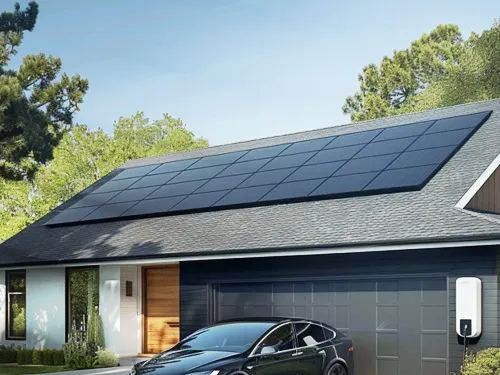
Solar panels capture sunlight and turn it into direct current (DC) electricity using photovoltaic cells.
How the inverter works
An inverter converts the DC electricity from the panels into alternating current (AC) — the type your home uses.
How solar powers the home
AC power flows from the inverter into your electrical panel and powers your lights, appliances, and outlets.
What happens at night
Your panels don't produce power at night, so your home draws electricity from the grid (or a battery if installed).
What happens on cloudy days
Panels still produce power on cloudy days — just at reduced output. System design accounts for variable weather.
How net metering may work
When your system produces more than you use, the extra power may be sent back to the grid for utility credits (where available).
Why system design matters
A good design matches your usage, roof orientation, shading, and local utility — that's where real savings come from.
Using more than you produce
If your home uses more electricity than your system generates, the difference comes from the grid as usual.
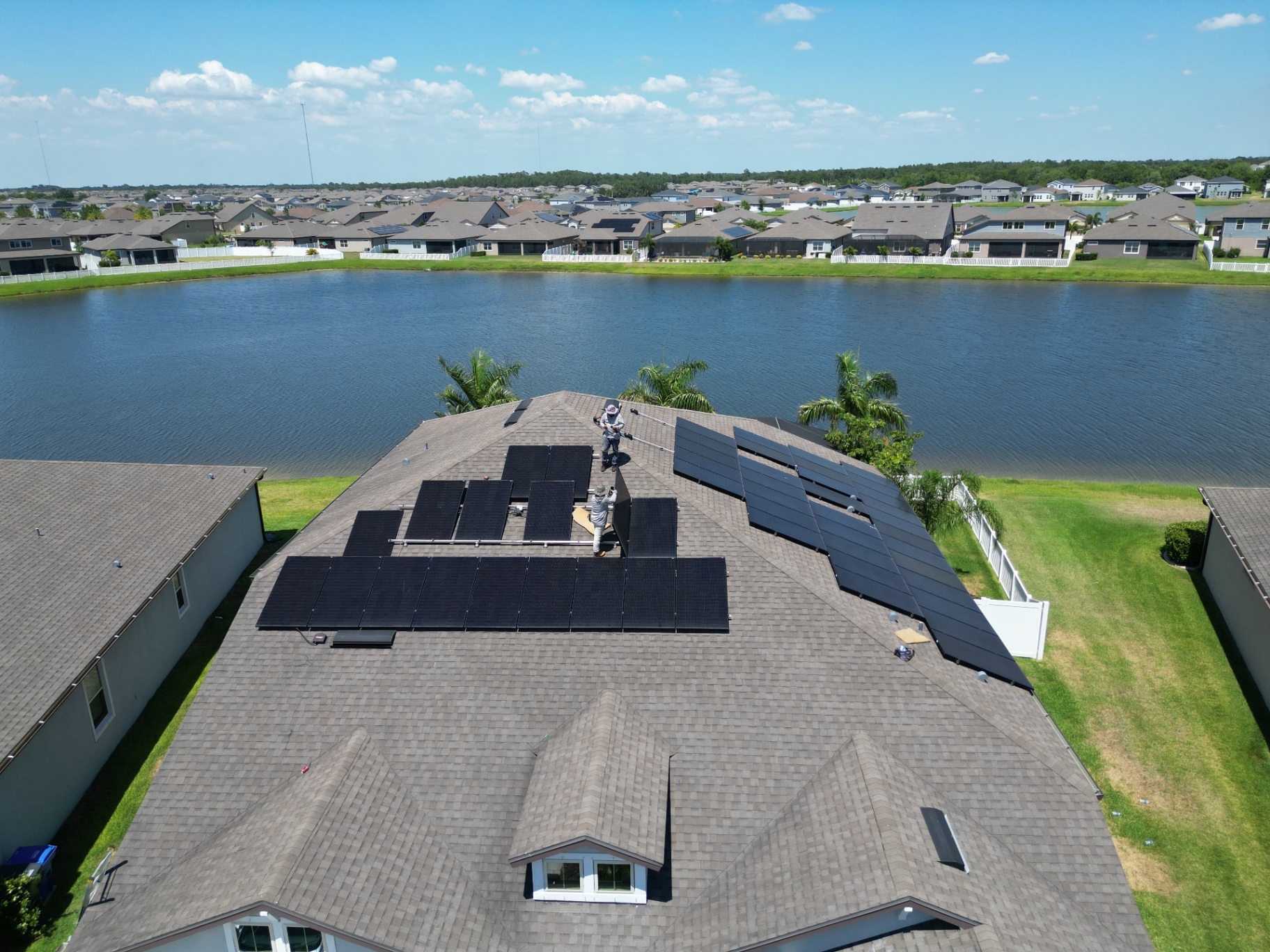
Real Florida installations
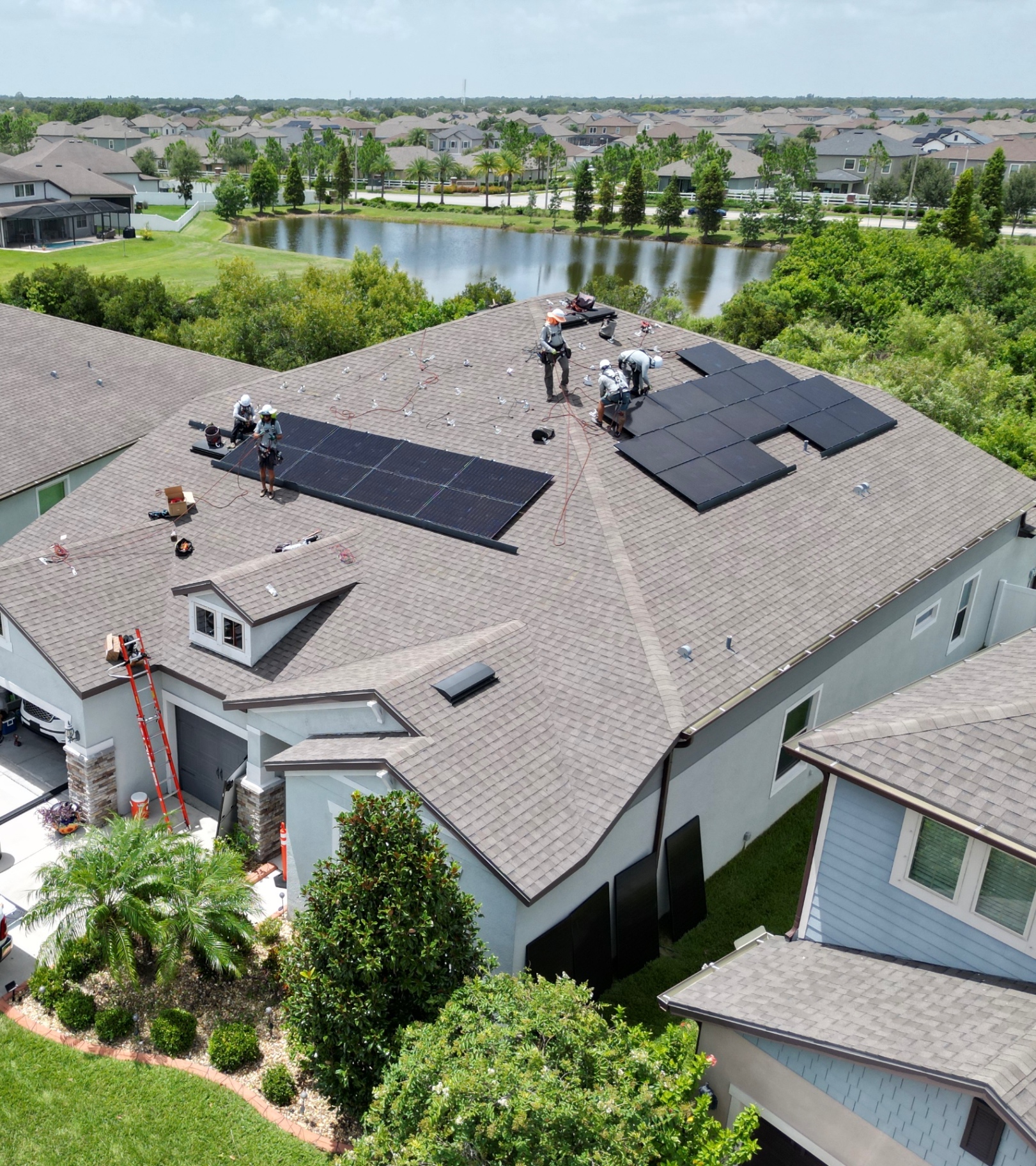
Every system starts as a real construction and electrical project on a real home — designed, permitted, and installed around the roof it lives on.
Three things every homeowner should understand
Short, visual explainers on how panels stay on your roof, how net metering works, and when battery storage may make sense.
How Solar Panels Are Secured to Your Roof
Solar panels are not simply attached to shingles. A professionally installed mounting system is secured into your home's structural roof framing — such as rafters or trusses — and sealed to prevent water intrusion.
Get Credit for Extra Solar Energy
During the day, your solar panels may produce more electricity than your home is using. If your utility offers a net-metering program, that extra power can flow back to the grid and you may receive an energy credit based on your utility's current rules.
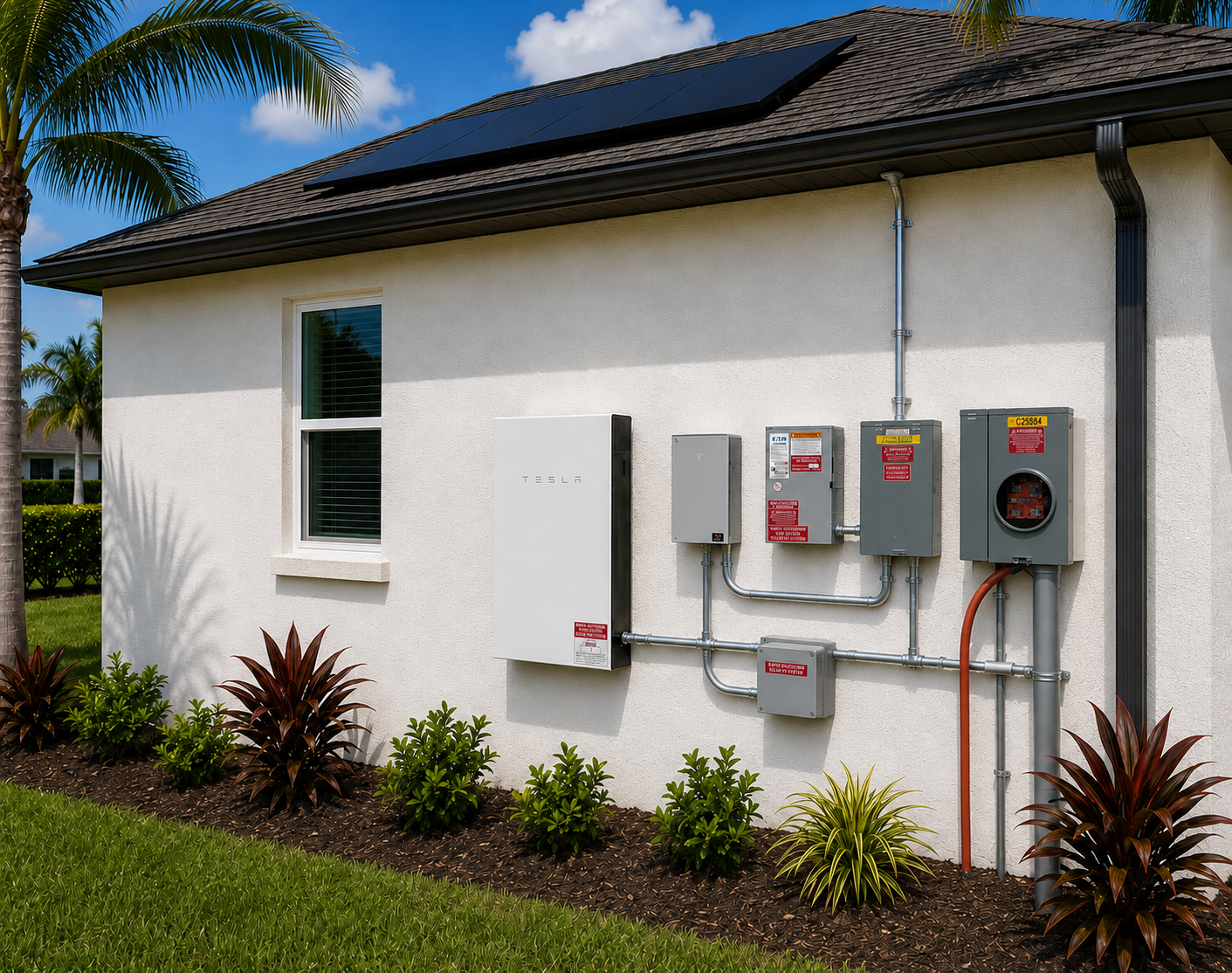
Store Solar Power for Later
A solar battery lets you store some of the electricity your panels generate instead of sending all of the excess back to the grid. That stored energy can be used later, like at night or during a grid outage. Batteries are optional for many homeowners.
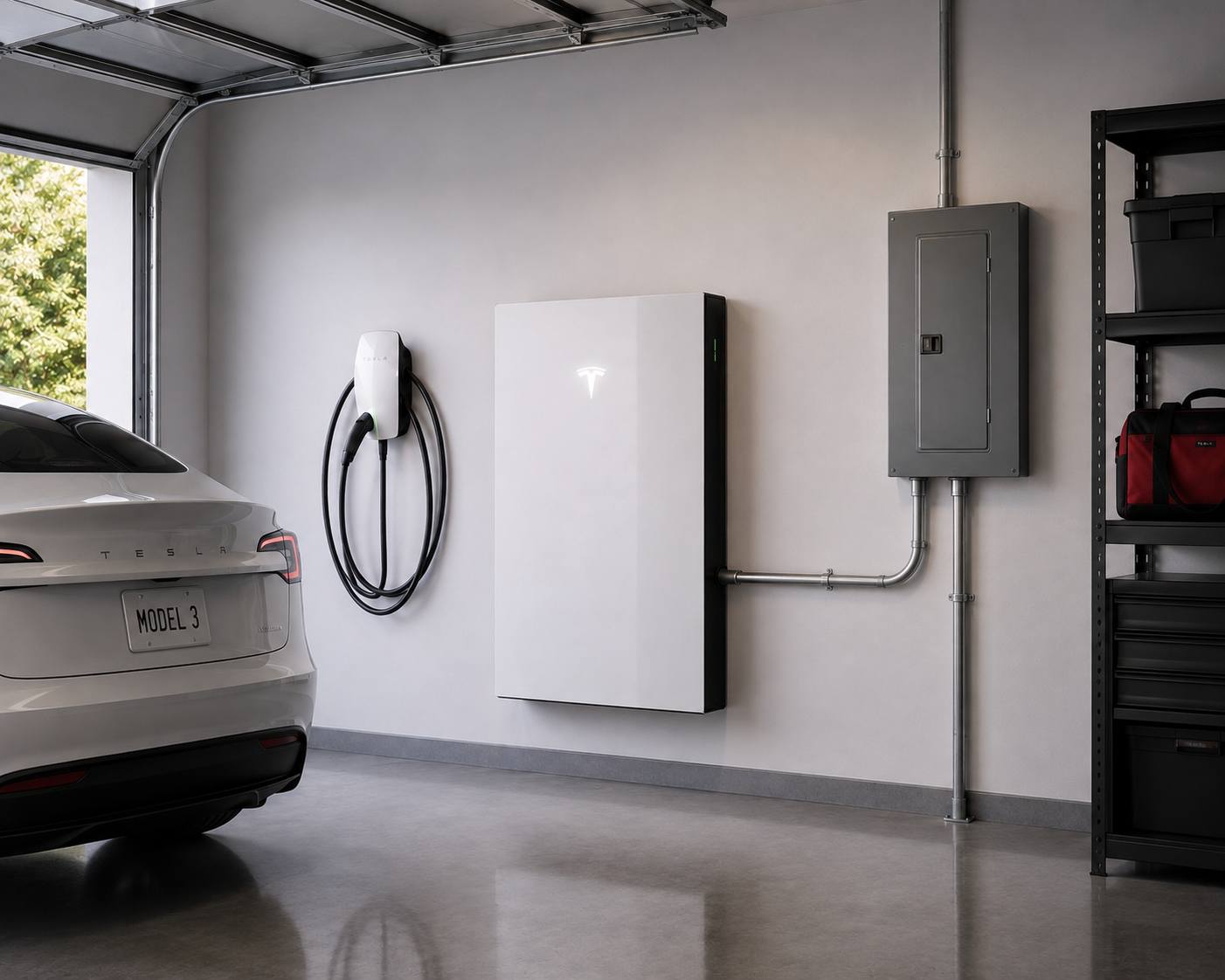
What's Actually in Your Solar System?
Solar is more than panels on your roof. Several technologies work together to produce, convert, manage, and monitor the energy your home uses.
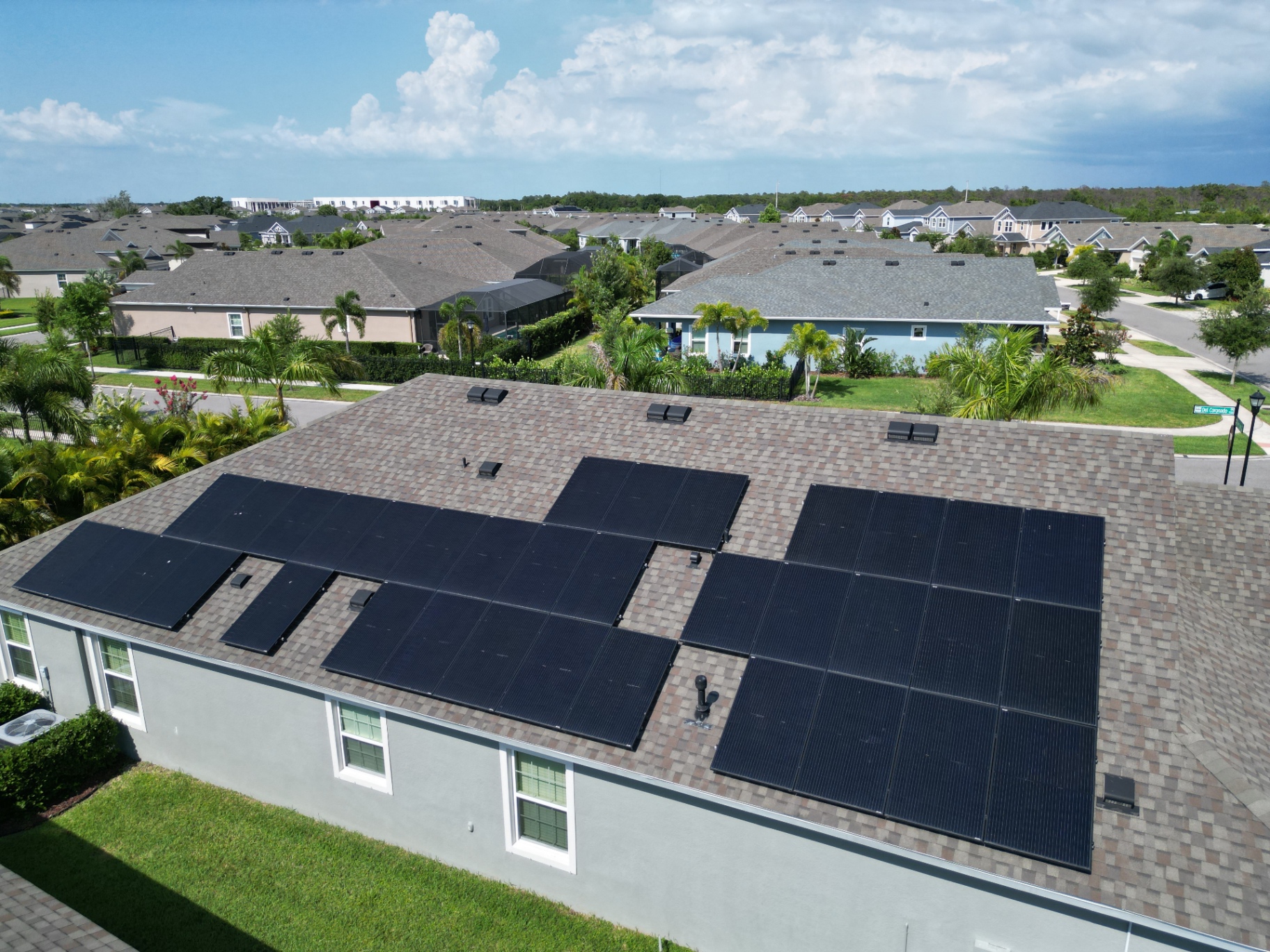
Panel placement is designed around roof geometry, orientation, shading, and your home's electricity usage.
Solar Panels
Solar panels capture sunlight and convert it into DC electricity. Your system is designed around factors including your home's historical electricity usage, available roof space, roof orientation, shading, and energy goals.
Microinverters / Inverters
Your home uses AC electricity, while solar panels initially produce DC electricity. Inverters convert the electricity generated by your panels into electricity your home can use. When microinverters are used, each panel can operate independently, which can provide panel-level monitoring and help reduce the effect one underperforming panel has on the rest of the system.
Energy Monitoring
Modern solar systems can provide digital monitoring that allows homeowners to see how much electricity their solar system is producing and monitor system performance over time.
Battery Storage
Battery storage allows qualifying homeowners to store solar energy for later use, including during certain outages or when solar production is low. Batteries are optional for many homeowners — whether one makes sense depends on your utility, net-metering structure, backup-power goals, electricity usage, solar program, and equipment compatibility.
Technology From Proven Solar Manufacturers
The right solar equipment depends on the home, system design, energy goals, availability, and solar program. Sunrise Energy Technology works with installation partners that may offer equipment from established manufacturers across the solar and energy-storage industry.
- EnphaseMicroinverters & energy systems
- QcellsSolar panel manufacturing
- TeslaHome energy storage
Equipment availability and specifications vary by installation partner, location, program, and project. Final equipment selections will be identified in the homeowner's solar proposal and agreement.
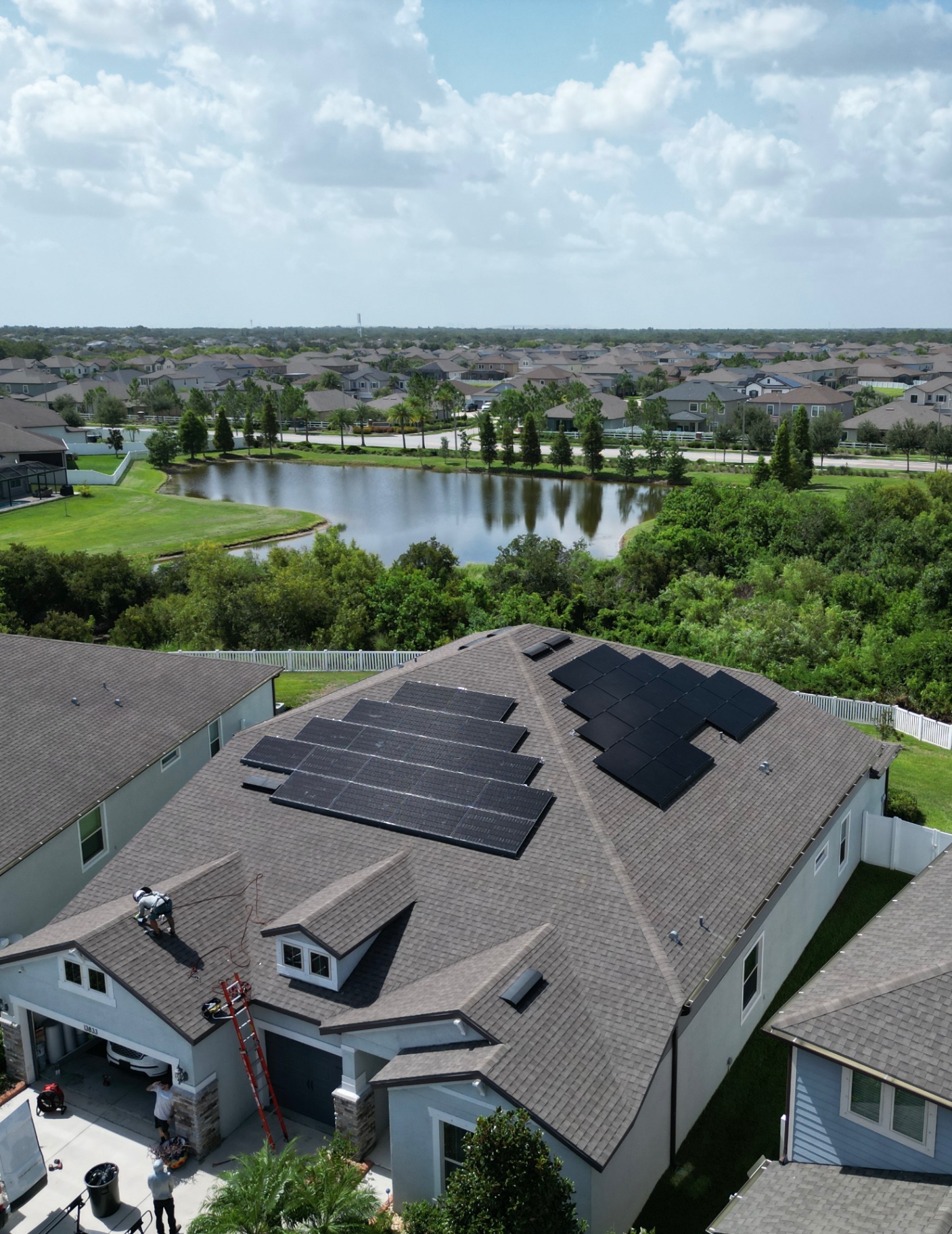
Solar Designed With Florida Homes in Mind
Florida offers excellent solar potential, but designing a quality system involves more than simply putting panels on a roof. Roof structure, sun exposure, shading, local permitting requirements, utility requirements, weather conditions, and household electricity usage all play a role in designing the right system.
Built Around Your Home
System design considers roof layout, structural requirements, shading, electrical infrastructure, and historical energy usage.
Florida Utility Knowledge
Solar requirements and net-metering policies can vary by utility. Sunrise helps homeowners understand how their utility interacts with their solar system.
Engineered & Permitted
Qualifying installations are engineered and permitted according to applicable building, electrical, structural, and local requirements.
Understand what's installed — and what protects it
Equipment selection, system design, installation quality, and warranty protection are best evaluated together. Qualifying equipment and installations may include long-term warranty coverage, and your Sunrise Energy Consultant will walk through exactly what applies to your solar solution.
See if solar makes sense for your home
A free, personalized review uses your real bill and home details — not generic estimates.
See If Solar Works for My HomeNo pressure. No obligation. Just a free savings review.